Europe and Mediterranean: Douro River Valley Cruise

True All-Inclusive Boutique River Cruising™
All gratuities for onboard services
Unlimited fine wine, beer, spirits and nonalcoholic beverages**
Shore excursions with local experts as your guide
Internet and Wi-Fi

Executive Member Benefit
Executive Members receive an annual 2% Reward, up to $1,250, on qualified Costco Travel purchases
Receive a EUR 50 shipboard credit per person (maximum EUR 100 per stateroom)♦

Digital Costco Shop Card
Member Exclusive: Digital Costco Shop Card with every Uniworld® river cruise†
Sailing Itinerary

Note: Cruise itineraries are subject to change. Please verify ports and times directly with the cruise line.
Overview
Porto is the second largest city in Portugal. The greatest sites in Porto are its five bridges, three modern, two nineteenth century, and all of them sensational. The valleys and tributaries that run along them form some of the most spectacular landscapes in the country. The wealth that flowed into the city from the 15th century onward is evidenced throughout Porto. Trade in the commodities from Portugal’s newly claimed lands brought Brazilian gold and exotic woods to embellish Porto’s many elaborate churches and palaces. Prosperous merchants spent lavishly on paintings and the ever-famous azulejos. The true fascination with Porto lies very much in the day-to-day life of the place, with its prosperous business core surrounded by well-to-do suburbs as well as depressed housing estates, tempered by a heart of cramped streets and ancient alleys wholly untouched by the planner s. Porto is renowned for the great variety of light, fresh, and often fizzy wines as well as the heavyweight Port wines. Vinho verde ‘sparkling wine’, is grown in the northwest. Country wines from the northeast are made in the area between the Spanish border to the north and east and four mountain ranges to the west. The VinhoVerdee region is best known for its slightly under-ripe wines, with a slightly sparkling character. They are mainly white, and the best is made from the alvarinho grape, as well as the azal, lAurelioa, and nandrabigato. Wines from the Douro region are beginning to be accepted as some of Portugal’s finest. Although excellent white wines are produced here, the area is best known for its great reds. The accommodations in Porto range from inexpensive rooms (southeast of Sao Bento station) that will fit just about any budget to more expensive places around the city. They are generally a good value but in winter investing in a more expensive place with better facilities to counter the field is worth the little extra.
Overview
Porto is the second largest city in Portugal. The greatest sites in Porto are its five bridges, three modern, two nineteenth century, and all of them sensational. The valleys and tributaries that run along them form some of the most spectacular landscapes in the country. The wealth that flowed into the city from the 15th century onward is evidenced throughout Porto. Trade in the commodities from Portugal’s newly claimed lands brought Brazilian gold and exotic woods to embellish Porto’s many elaborate churches and palaces. Prosperous merchants spent lavishly on paintings and the ever-famous azulejos. The true fascination with Porto lies very much in the day-to-day life of the place, with its prosperous business core surrounded by well-to-do suburbs as well as depressed housing estates, tempered by a heart of cramped streets and ancient alleys wholly untouched by the planner s. Porto is renowned for the great variety of light, fresh, and often fizzy wines as well as the heavyweight Port wines. Vinho verde ‘sparkling wine’, is grown in the northwest. Country wines from the northeast are made in the area between the Spanish border to the north and east and four mountain ranges to the west. The VinhoVerdee region is best known for its slightly under-ripe wines, with a slightly sparkling character. They are mainly white, and the best is made from the alvarinho grape, as well as the azal, lAurelioa, and nandrabigato. Wines from the Douro region are beginning to be accepted as some of Portugal’s finest. Although excellent white wines are produced here, the area is best known for its great reds. The accommodations in Porto range from inexpensive rooms (southeast of Sao Bento station) that will fit just about any budget to more expensive places around the city. They are generally a good value but in winter investing in a more expensive place with better facilities to counter the field is worth the little extra.
Overview
Backed by the Serra do Marao mountains and overlooking the wide valley of the River Douro, the peaceful town of Peso da Regua is the official center of the Port wine-growing region. From here, barrels of wine were traditionally transported to Vila Nova de Gaia in the past using wooden sailing ships called rabelos.
Overview
Pocinho is a village in northern Portugal, located in the Vila Nova de Foz Côa Municipality. The Pocinho Dam and the River Douro are nearby.
Overview
Salamanca is a city in northwestern Spain that is the capital of the Province of Salamanca in the community of Castile and Leon. The city lies on several hills by the Tormes River. Its Old City was declared a UNESCO World Heritage Site in 1988. With a metropolitan population of 228,881 in 2012 according to the National Institute of Statistics (INE), Salamanca is the second most populated urban area in Castile and Leon, after Valladolid (414,000), and ahead of Leon (187,000) and Burgos (176,000).It is one of the most important university cities in Spain and supplies 16% of Spain's market for the teaching of the Spanish language. Salamanca attracts thousands of international students.
Overview
Marking the end of the “port wine trail,” Pinhao is a typical rustic Douro town. Of interest is the Azulejos decorated railway station. From here, one can see the dramatic landscaped vine-clad terraces, dotted with white quintas where the wine is produced and bottled.
Overview
Porto is the second largest city in Portugal. The greatest sites in Porto are its five bridges, three modern, two nineteenth century, and all of them sensational. The valleys and tributaries that run along them form some of the most spectacular landscapes in the country. The wealth that flowed into the city from the 15th century onward is evidenced throughout Porto. Trade in the commodities from Portugal’s newly claimed lands brought Brazilian gold and exotic woods to embellish Porto’s many elaborate churches and palaces. Prosperous merchants spent lavishly on paintings and the ever-famous azulejos. The true fascination with Porto lies very much in the day-to-day life of the place, with its prosperous business core surrounded by well-to-do suburbs as well as depressed housing estates, tempered by a heart of cramped streets and ancient alleys wholly untouched by the planner s. Porto is renowned for the great variety of light, fresh, and often fizzy wines as well as the heavyweight Port wines. Vinho verde ‘sparkling wine’, is grown in the northwest. Country wines from the northeast are made in the area between the Spanish border to the north and east and four mountain ranges to the west. The VinhoVerdee region is best known for its slightly under-ripe wines, with a slightly sparkling character. They are mainly white, and the best is made from the alvarinho grape, as well as the azal, lAurelioa, and nandrabigato. Wines from the Douro region are beginning to be accepted as some of Portugal’s finest. Although excellent white wines are produced here, the area is best known for its great reds. The accommodations in Porto range from inexpensive rooms (southeast of Sao Bento station) that will fit just about any budget to more expensive places around the city. They are generally a good value but in winter investing in a more expensive place with better facilities to counter the field is worth the little extra.
Overview
Porto is the second largest city in Portugal. The greatest sites in Porto are its five bridges, three modern, two nineteenth century, and all of them sensational. The valleys and tributaries that run along them form some of the most spectacular landscapes in the country. The wealth that flowed into the city from the 15th century onward is evidenced throughout Porto. Trade in the commodities from Portugal’s newly claimed lands brought Brazilian gold and exotic woods to embellish Porto’s many elaborate churches and palaces. Prosperous merchants spent lavishly on paintings and the ever-famous azulejos. The true fascination with Porto lies very much in the day-to-day life of the place, with its prosperous business core surrounded by well-to-do suburbs as well as depressed housing estates, tempered by a heart of cramped streets and ancient alleys wholly untouched by the planner s. Porto is renowned for the great variety of light, fresh, and often fizzy wines as well as the heavyweight Port wines. Vinho verde ‘sparkling wine’, is grown in the northwest. Country wines from the northeast are made in the area between the Spanish border to the north and east and four mountain ranges to the west. The VinhoVerdee region is best known for its slightly under-ripe wines, with a slightly sparkling character. They are mainly white, and the best is made from the alvarinho grape, as well as the azal, lAurelioa, and nandrabigato. Wines from the Douro region are beginning to be accepted as some of Portugal’s finest. Although excellent white wines are produced here, the area is best known for its great reds. The accommodations in Porto range from inexpensive rooms (southeast of Sao Bento station) that will fit just about any budget to more expensive places around the city. They are generally a good value but in winter investing in a more expensive place with better facilities to counter the field is worth the little extra.
Onboard the S.S. São Gabriel
S.S. São Gabriel
Year Built: 2020
Double Occupancy Capacity: 100
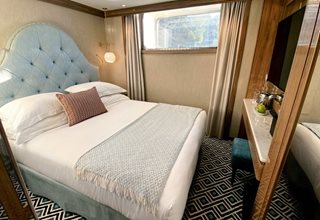
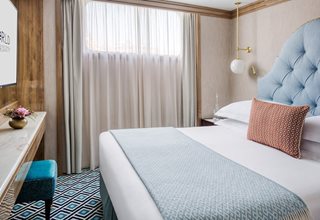
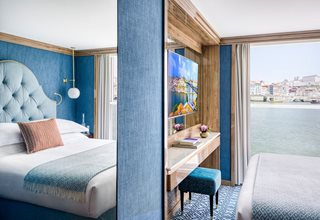
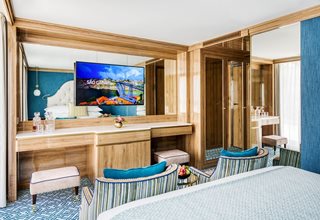
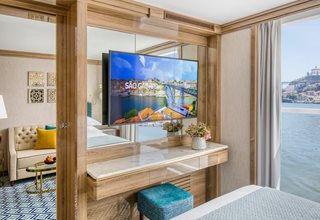
The S.S. São Gabriel will be the newest ship on the Douro river. Designed to embody the beautiful Douro River Valley region, this ship will offer more lavishly appointed suites than the Queen Isabel and bring the destination to life through its décor and delectable food and wine. Butler service will be added onboard, giving guests the option to dine at any time they’d like while enjoying the ship.
Activities & Services (included in cruise)
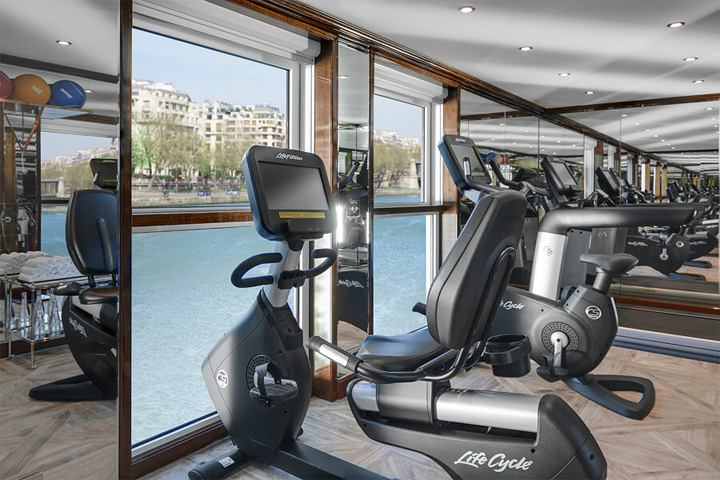
Fitness Center
- Bars/Lounges
- Concierge Desk
- Fitness Center
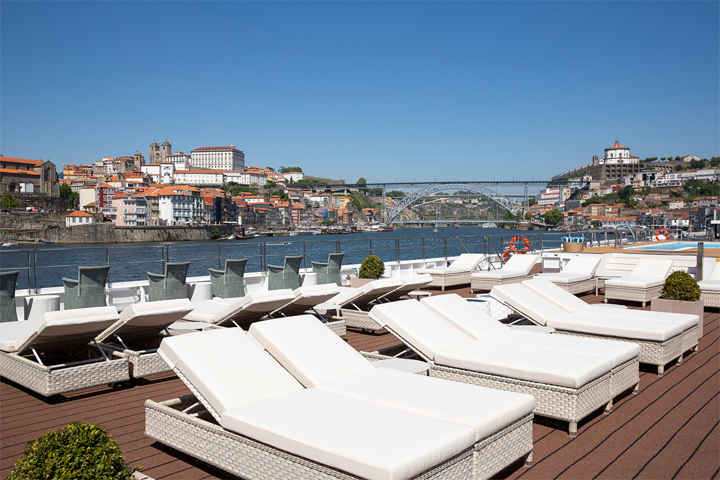
- Pool - Outdoor
Activities & Services (available for an extra fee)
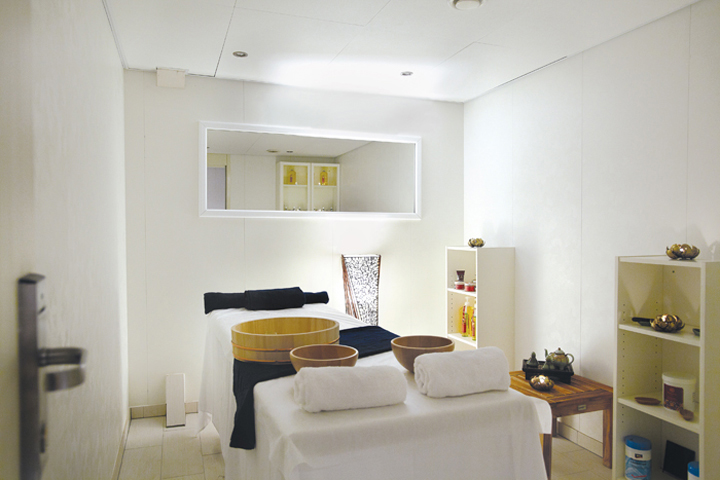
Spa
- Dry Cleaning/Laundry Service
- Duty-Free Shops/Boutiques
- Full-Service Spa

Main Dining Room
Main Dining
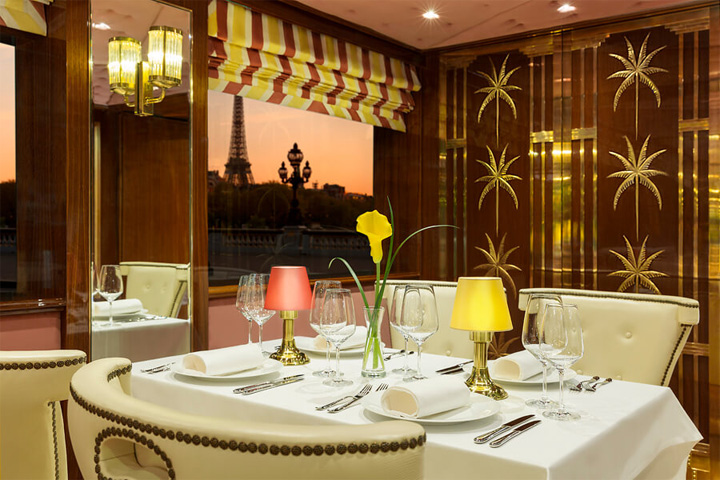
Main Dining Room (open seating): This seating option allows you to choose when and with whom you dine. Menus are a blend of classic cuisine with a touch of contemporary elegance, and are created using only the finest and freshest ingredients often brought onboard from local ports of call. You'll be surrounded by the beauty of passing riverbank towns and villages.
Specialty Dining
Casual Dining

Category: CL
- 135 sq.ft – 12.5 sq.m
- Note that amenities may differ from those of a Uniworld company-owned ship

Category: DE
- 156 sq.ft – 14.5 sq.m
- Note that amenities may differ from those of a Uniworld company-owned ship

Category: FB
- 156 sq.ft – 14.5 sq.m
- French Balcony
- Note that amenities may differ from those of a Uniworld company-owned ship

Category: S
- 220 sq.ft – 20.4 sq.m
- Note that amenities may differ from those of a Uniworld company-owned ship

Category: GS
- 307 sq.ft – 28.5 sq.m
- Note that amenities may differ from those of a Uniworld company-owned ship

| Symbol | Description |
|---|---|
![]() | Elevator |
![]() | Elevator |

- Ship Name: S.S. São Gabriel
- Year Built: 2020
- Year Entered Present Fleet: 2020
- Ship Class: River "Super Ship"
- Number of Passenger Decks: 3
- Officers' Nationality: European/International
- Ocean-View without Balcony: 20
- Ocean-View with Balcony: 16
- Capacity Based on Double Occupancy: 100
- Country of Registry: Portugal
- Total Staterooms: 50
- Suites with Balcony: 14
- Crew/Hotel Staff Nationality: European/International
Costco Member Reviews

Available Dates and Prices
Terms & Conditions
*Price shown is per person based on double occupancy and is valid for select stateroom categories only. Click on the Terms & Conditions link below for details.
†One Digital Costco Shop Card per room/stateroom, per stay. The exact amount of the Digital Costco Shop Card will be calculated during the booking process. The Digital Costco Shop Card promotion is nontransferable and may not be combined with any other promotion. A Digital Costco Shop Card will arrive by email approximately 10 days after the start of your cruise. Click on the Terms & Conditions link below for additional information.
**Unlimited beverages include premium wine and premium spirits. Diamond List of wine and spirits is available at an additional cost.
◆Executive Members receive a EUR 50 shipboard credit per person, maximum EUR 100 per stateroom. Executive Member benefit is valid for primary cardholder only. Shipboard credit is per stateroom based on double occupancy. Shipboard credit will be applied to your onboard account. Any unused portion of the credit is nontransferable, nonrefundable and may not be redeemed for cash.
Ship's Registry: Portugal
Package ID: UNISAOEUR20270328
Digital Costco Shop Card
Book this cruise with Costco Travel and receive a Digital Costco Shop Card. The Digital Costco Shop Card is a convenient payment option in our warehouses and on Costco.ca.